Home Concrete Driveways: Get Ready, Then Get Quotes
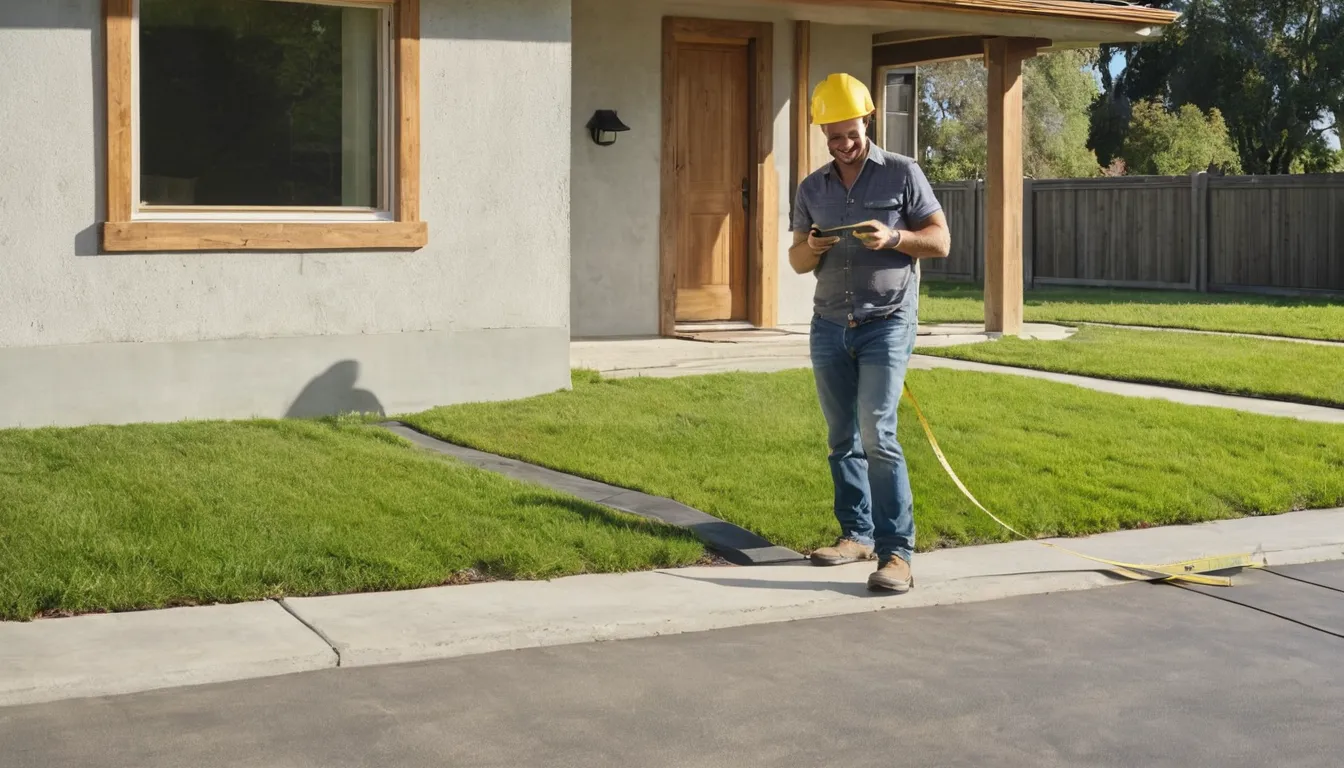
A new driveway is a big job, and a little prep goes a long way. Rankorleans Concrete is a referral service. We connect homeowners in Saratoga and the Saratoga area with independent local providers who pour residential concrete flatwork. The providers do the work. We help you get started.
Before you ask for estimates, grab a tape measure and your phone. Photograph the old surface, note the slopes and jot down what you want. Providers can quote faster when they see the whole picture. Request a callback to check provider availability, or request an estimate online. Either way, you stay in charge of every decision.
Is it time for a new driveway?
Most people start asking this after one more crack shows up. A driveway takes a beating from cars, sun and seasonal rain. At some point, patching stops making sense.
This page walks through the signs, the prep you can do yourself, and what to expect once a provider takes over.
Signs the old slab is done
Walk the whole surface slowly. Look for these:
- Cracks wider than a pencil, or cracks that run across several panels
- Panels that sit higher or lower than their neighbors
- Crumbling edges and a rough, flaking top
- Standing water that never drains
- Dips where the soil underneath has settled
One or two of these may be fixable. Several together usually point to a replacement.
Patch or replace?
Small chips and hairline cracks can often get simple concrete driveway repair. Ask a provider whether that makes sense for your slab. If the base underneath has shifted, a patch will not hold. The new crack just shows up next to the old one.
A fair rule: if repairs would cover a big share of the surface, compare a full replacement quote.
Cracks near the house
A driveway crack is one thing. A crack running up your foundation wall is another. If the cracks sit close to the house, or doors and windows have started to stick, bring in foundation repair experts to look at the structure first. A new driveway should not be poured until that question is answered.
Photo it first
Before anything gets torn out, take pictures. Shoot the full driveway from the street, then close-ups of each problem spot. Put a coin or tape measure next to cracks for scale. Photograph where water runs after rain, and the edges where the slab meets the garage, walkway and lawn.
Date the photos. Providers can read your situation faster, and you have a clear record of how things looked.
Prep your folder
Keep one folder, paper or digital. Toss in:
- Your photos and a rough sketch with measurements
- Notes on what you want: finish, color, width, any extra parking
- Every written quote you receive
- Receipts, permit papers and messages with providers
If damage came from something sudden, such as a fallen tree or a burst pipe, some policies may cover sudden damage, so check your policy. Providers can often help document damage for a claim. Organized records make that conversation simpler.
Timing around the seasons
Weather shapes when concrete goes down. Our long dry stretches are friendly to pouring, but very hot days can make concrete set too fast. Providers may start early in the morning to deal with that.
Winter rain events can delay a pour or wash out a prepared base. Wildfire smoke seasons are mostly a comfort issue, though ash on a fresh surface is worth covering or rinsing before it sets. Ask each provider how they plan around weather, and book early if you want a specific month.
What a new driveway project includes
The exact scope varies, but most jobs follow a similar path:
- Removing the old slab and hauling it away
- Grading and compacting the base
- Setting forms, and often steel or mesh reinforcement
- Pouring, smoothing and finishing the concrete
- Cutting control joints so the slab cracks where it should
- Sealing, if you choose it
Ask for each step in writing so quotes can be compared fairly.
What you can safely do yourself
Clear the area. Move cars, planters and bikes. Mark sprinkler heads and low-voltage lights. Measure the length and width, and note which way water flows. Trim back branches that hang over the work area.
Where to stop
Leave demolition, base prep and the pour to a provider. Heavy slabs, buried lines and wet concrete are not a weekend project. Do not dig until utilities are marked.
Size, thickness and finish
Most home driveways run about four inches thick. A heavier truck or RV may call for more, and the base matters as much as the slab. Many tract homes from the 1950s to the 1980s have narrow driveways, so check whether widening for a second car fits your lot.
For finish, a broom texture grips well and hides dust. Smooth finishes look sleek but can be slick when wet. Colors and borders are options too. If you also want stamped concrete patios in the backyard, ask your provider about matching tones.
Permits and the street apron
The apron is the part of the driveway where it meets the street. Many cities treat it as public right-of-way, with its own rules on thickness, slope and who may pour it. Some places require a permit for the whole job.
Ask each provider who handles permits and what the city requires. Keep every approval in your folder.
Choosing a provider
Request at least two written quotes. Compare scope, thickness, base prep, reinforcement and cleanup, not just the total. Ask for proof of license and insurance where your area requires it, and confirm those details directly. Rankorleans Concrete does not do the work or vouch for any one provider.
After the pour
Fresh concrete needs patience. Keep cars, pets and foot traffic off until the provider says it is safe. Many providers suggest several days before light vehicles and longer before heavy ones. Keep sprinklers pointed away from the slab.
Sealing and upkeep
Sealing is often done after the concrete has cured for a while. Rinse off oil spills quickly, sweep regularly and fill joints as advised. Add the final invoice and care notes to your folder.
What's Included
Old Slab Removal
Providers break up and haul away the worn driveway so the new concrete starts on clean ground.
Base and Grading
A compacted base with the right slope helps rain run off instead of pooling.
Forms and Reinforcement
Forms set the shape, and steel or mesh helps the slab hold together.
Pour and Finish
Concrete flatwork is poured, smoothed, textured and cut with joints.
Typical new driveway costs in the U.S.
Prices vary a lot by region, size, access and finish. Treat these ranges as a starting point and always ask for a written quote.
| Item | Typical range | Notes |
|---|---|---|
| Standard plain concrete | $6 – $12 per sq ft | Broom finish, average base prep |
| Old slab removal | $1 – $3 per sq ft | Depends on thickness and hauling |
| Base grading and gravel | $1 – $3 per sq ft | Extra if the soil is soft or uneven |
| Colored or decorative finish | $2 – $8 per sq ft | On top of basic concrete cost |
| Street apron or permit work | $200 – $2,500 | Varies by city rules and size |
| Typical two-car driveway total | $4,000 – $10,000 | Larger or custom jobs cost more |
How It Works
Photo and Measure
Take dated photos, measure the surface and write down what you want from the new driveway.
Call or Request an Estimate
Request a callback to check provider availability, or use the form to describe your project.
Compare Written Quotes
Review scope, thickness, base prep and permits so you can compare quotes fairly.
Schedule Around Weather
Pick a date with the provider that fits our dry and rainy seasons.
Why Call Rankorleans Concrete
Clear Starting Point
Photos, measurements and notes help you describe the job so estimates are easier to compare.
Local Providers
Independent providers in our network know local soil, weather and city requirements for flatwork.
Organized Records
A tidy folder keeps quotes, permits and photos in one place for you and for any claim.
No Pressure
Asking for an estimate carries no obligation, and you choose whether to hire anyone.
Other Services
Need home concrete driveways in Saratoga?
Planning a new driveway or patio? Request a callback to check provider availability, or send the request form with your photos and notes.
Home Concrete Driveways FAQ
How do I know if I need a new concrete driveway or just repairs?
Hairline cracks and small chips can often be patched. Wide cracks, sunken panels or a shifted base usually mean replacement. Photograph the damage and ask a local provider to review both options in a written quote.
How long does a new concrete driveway take to cure?
Concrete hardens over days but keeps gaining strength for weeks. Many providers ask you to stay off it for several days and wait longer for heavy vehicles. Follow your provider's instructions for your slab and weather.
Do I need a permit to replace my driveway?
Often yes, especially for the street apron where the driveway meets public right-of-way. Rules differ by city. Ask your provider who handles permits, and check with your local building office to confirm what applies.
Get in touch
Planning a new driveway or patio? Request a callback to check provider availability, or send the request form with your photos and notes.
No obligation