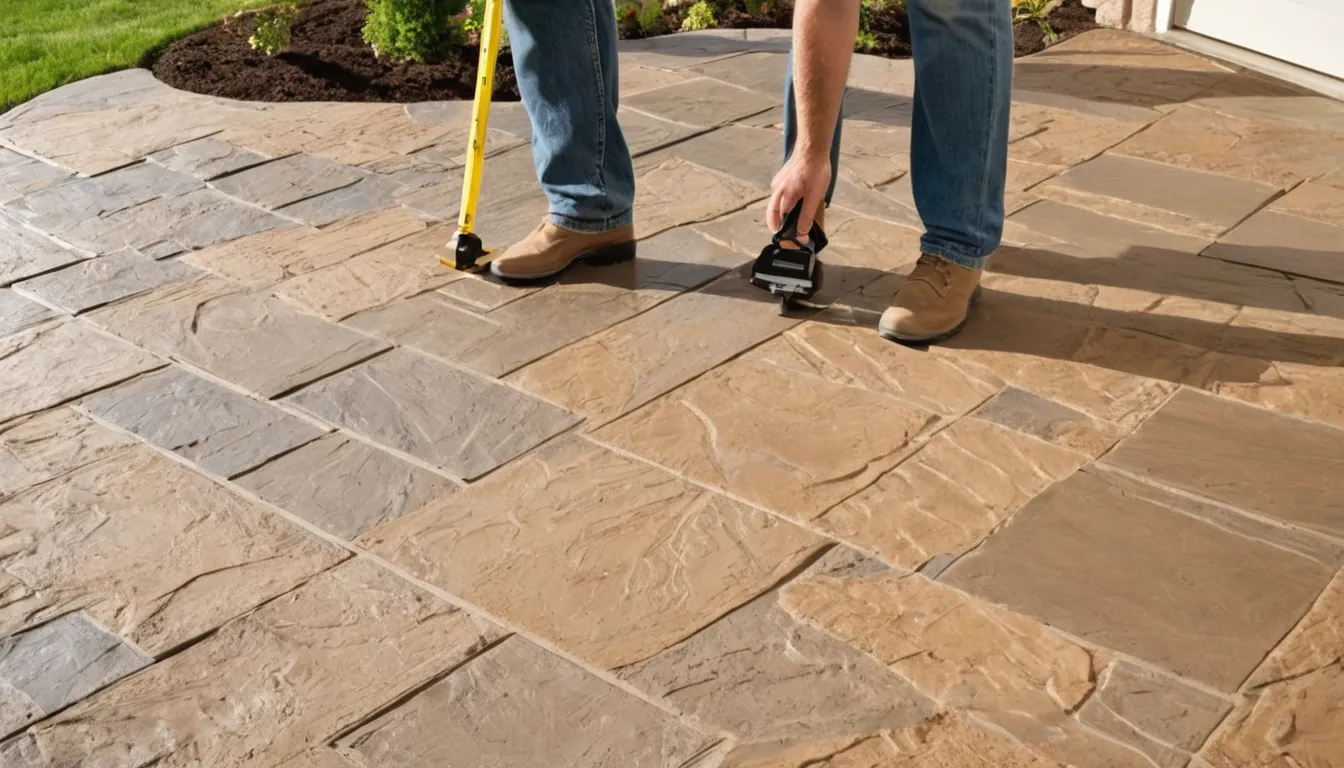
Stamped concrete is a regular slab with a pattern pressed into it while it is still soft. Done well, it can look like slate, brick or wood plank, with color that suits your house.
The catch is timing. The pattern goes in during a short window, so the weather, the schedule and your prep all matter before pour day.
Rankorleans Concrete is a referral service. We do not pour or stamp anything. We connect homeowners in Saratoga and the Saratoga area with independent local providers who handle stamped concrete. Gather some photos and measurements first, then call or request an estimate. A provider can look at your plans and talk through options, costs and a realistic start date.
Stamped Concrete Is a Timing Job
Stamping happens once, while the concrete is still soft. Miss that window and the pattern can't be redone. So settle the date before you fall in love with a pattern.
Why the Pour Window Is Short
The crew presses the mats in after the slab is smoothed but before it hardens. Heat, wind and dry air speed that up. Cold and rain slow it down and can spoil the surface.
Seasons and Local Weather
Long dry seasons are friendly to pours, but hot afternoons can rush the work. Many providers start early in the day. Winter rain events can push a pour back, so leave slack in your calendar. During wildfire smoke seasons, ash and dust can settle on a fresh surface, so ask how the provider protects it. Mild coastal weather gives a bit more working time.
Photo It First
Before you request an estimate, build a small folder. It makes quotes clearer. It also gives you a tidy record if an insurance conversation ever comes up.
What to Shoot
- The whole area, from two corners
- Where the new slab will meet the house
- Slope and drainage: where does rain go?
- Sprinkler heads, vents, gates and utility covers
- Old cracks or stains close to the work area
Date the photos. Keep them with your notes and emails.
Measurements to Jot Down
Measure twice, call once. Write down length and width. Sketch odd shapes and curves. Note steps and how a concrete truck could reach the spot. A tape measure and a notepad are plenty. The provider will re-measure on site.
Look at the Ground and Slab Before You Plan
Do a slow walk-around. Check low spots, soft soil and old concrete. Stucco ranch homes on slabs and older bungalows on raised foundations can need different handling near the walls. If you see cracks in the house slab, sticking doors or gaps at the footing, bring in foundation repair experts before new concrete flatwork goes down. That is a separate job, and it is wise to sort it out first.
If you are weighing concrete driveway repair against starting fresh, that is a different question from this page. Here we focus on new stamped work.
How Stamped Concrete Is Made
Base and Forms
The provider grades the ground, adds a gravel base and sets forms. Rebar or mesh goes in for strength. Your safe prep job: clear furniture, planters and loose items.
Color and Release
Color can be mixed into the batch, dusted on top, or both. A release powder keeps the mats from sticking and adds soft contrast in the grooves.
Stamping and Sealing
Workers press rubber mats into the surface. Later they cut joints, wash off extra release and apply sealer. Stay off the slab until the provider says it is ready.
Popular Patterns and Colors
Ashlar slate, random stone, brick herringbone and wood plank are common picks. Warm earth tones suit stucco homes. Soft gray-browns blend well with 1950s to 1980s tract houses. Ask to see a sample board, then photograph it outside in your own light.
Where Stamped Concrete Works Well
Stamped concrete patios are the favorite. It also suits walkways, pool decks, entry pads and driveway borders. Wet stamped surfaces can be slick, so ask about a slip-resistant sealer.
Stamped Concrete vs. Pavers
Pavers are separate pieces. You can lift one and swap it, but joints can shift or grow weeds. Stamped concrete is one slab with fewer joints and a cleaner look. The tradeoff is that a crack, if it forms, is harder to hide. Ask providers to explain how they plan joints to control cracking.
How Long the Job Takes
Expect prep days, a pour day, then curing. Light foot traffic may be fine after a couple of days. Vehicles usually wait longer. Sealing often comes after the slab has cured. Your provider will set the schedule.
Caring for Stamped Concrete
Sweep often and rinse with a hose. Use mild soap for stains. Keep sprinklers from soaking the same patch every day. Resealing every few years keeps color rich. Snap a photo after each cleaning so your record stays current.
Choosing a Provider
Ask to see past stamped work. Get a written quote that lists thickness, base, color, sealer and joints. Check license and insurance rules for your area yourself. Compare at least two quotes.
What's Included
Site Prep
Grading, gravel base and forms set up so the slab sits level and drains well.
Color and Pattern Choices
Help picking a stamp pattern and color that suits your home and yard.
Pour and Stamp
Placing the concrete, pressing the mats and finishing the surface while it is workable.
Joints and Sealing
Cutting control joints, washing off release powder and applying a protective sealer.
Typical Stamped Concrete Costs
Prices vary by region, size, pattern and site access. These are typical U.S. ranges only. Always ask for a written quote that lists each item before work begins.
| Item | Typical range | Notes |
|---|---|---|
| Stamped slab, installed | $12 – $25 per sq ft | Pattern and color raise the price |
| Small stamped patio (about 300 sq ft) | $3,600 – $7,500 | Depends on shape and finish |
| Base prep and grading | $1 – $4 per sq ft | More if soil is soft or sloped |
| Removing old concrete | $2 – $6 per sq ft | Thickness and access matter |
| Integral color or color hardener | $1 – $3 per sq ft | Darker shades often cost more |
| Sealer and later resealing | $1 – $3 per sq ft | Reseal every few years |
How It Works
Prep Your Folder
Take dated photos, measure the area and jot down notes about slope, drainage and access.
Call or Request an Estimate
Request a callback to check provider availability, or use the request form to share your details.
Compare Written Quotes
Review the scope, color, sealer, joints and schedule. Ask about weather delays.
Plan Pour Day
Clear the area, protect nearby surfaces and stay off the slab afterward.
Why Call Rankorleans Concrete
Prepared Before You Call
Photos and measurements help providers give clearer estimates the first time.
Local Providers
Independent providers know local soil, weather and typical home styles.
Honest Matching
We connect you with a provider. They do the work and give the quote.
Season Aware
Timing advice helps you plan around dry spells, rain and smoke.
Other Services
Need stamped concrete help in Saratoga?
Planning a new driveway or patio? Request a callback to check provider availability, or send the request form with your photos and notes.
Stamped Concrete Help FAQ
How much does a stamped concrete patio cost?
Typical U.S. prices run roughly $12 to $25 per square foot, depending on pattern, color, site prep and local rates. Get a written quote from a provider that lists every item.
Can I stamp concrete myself as a DIY project?
Small jobs are possible, but the pattern must be pressed during a short window, and mistakes are permanent. Many homeowners handle prep and cleanup, then leave the pour and stamping to a provider, especially on larger areas.
How long before I can walk on a new stamped patio?
Light foot traffic is often fine after a couple of days, but it depends on weather and the mix. Heavier loads and furniture usually wait longer. Follow your provider's instructions.
Get in touch
Planning a new driveway or patio? Request a callback to check provider availability, or send the request form with your photos and notes.
No obligation