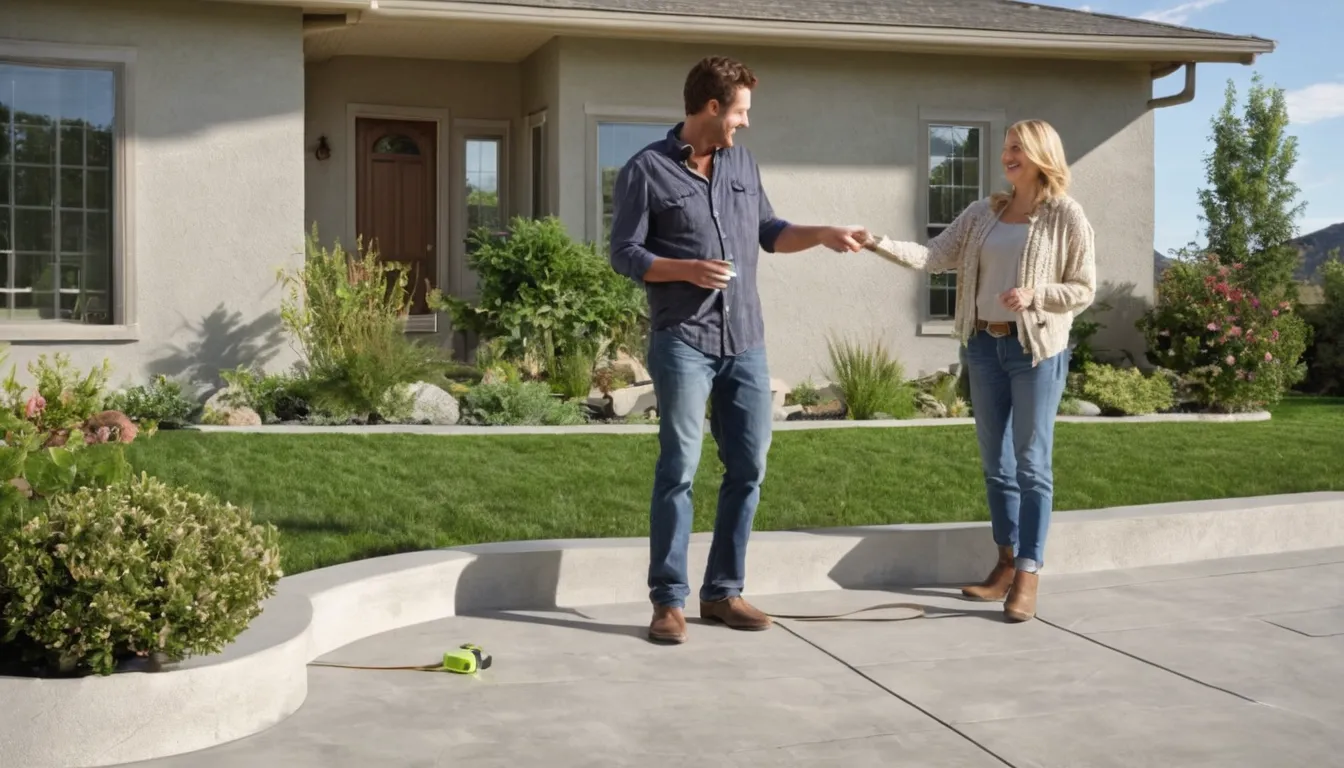
A concrete patio gives you a flat, sturdy spot for meals, a grill or a quiet evening outside. It suits stucco ranch homes, older bungalows and many tract homes across the Saratoga area. The slab can be plain, colored or stamped to look like stone.
Rankorleans Concrete is a referral service. We do not pour concrete. We connect homeowners planning new patios with independent local providers in our network. Those providers handle the digging, base, forms, pour and finish. Your part is simple: photograph the space, measure it, and jot down how you want to use it. A tidy folder makes estimates clearer and easier to compare, and it gives you a solid record of the project from the first photo to the final slab.
Thinking About a New Patio? Start Here
A patio is easy to picture. The planning is where people get stuck. Walk the yard with a tape and a notepad. Decide how you will use the space: dining, a grill, a fire bowl, or just a few chairs. That choice drives the size, the slope and the finish.
Time the Pour With the Weather
Concrete is picky about weather. Cure time, heat and moisture all matter. Talk timing with a provider early, because good calendar slots fill up once the weather turns friendly. Request a callback to check provider availability for your season.
Dry Season Pours
Long dry stretches are the easy window. Slabs cure steadily and forms stay put. The catch is heat. A hot, windy afternoon can dry the surface too fast, so providers may start early or use curing aids. Booking ahead helps.
Winter Rain Events
Rain can pit a fresh surface. Rain on bare ground can also turn a yard to mud and slow the base work. If a storm shows up in the forecast, expect the date to shift. Leave yourself some slack.
Smoke Season Notes
Wildfire smoke is mostly a comfort issue. Ash and dust can land on a wet surface, though, so ask how a provider protects the slab on hazy days. Never push anyone to work in unsafe air.
Prep Your Folder Before You Ask for Estimates
Keep one folder, on paper or on your phone. Put the whole project in it. Providers quote faster and more accurately when they see what you see.
Photo It First
Take wide shots of the planned area from each corner. Add close-ups of the house wall, downspouts, gates, sprinkler heads and any slope. Photograph existing cracks in nearby walks or the foundation too, and keep the dates. If damage happens later, dated photos can help document it for a claim. Some policies may cover sudden damage; check your policy.
Measure Twice, Call Once
Measure length and width in feet. Note the distance from the door to each edge. Mark the corners with stakes or spray paint. Write down where the gas meter, hose bib and any buried lines sit. A string line shows slope better than your eye does.
Sizing the Patio
Bigger is not always better. A small bistro set fits in about 8 by 10 feet. A table for six wants closer to 12 by 14. Add about three feet around the table so chairs can slide out. Lay out the shape with a garden hose, then set your real furniture inside it and walk around. Keep the grill away from siding. A patio is one of the most common kinds of concrete flatwork, but larger slabs may need a permit, so check your city rules.
Surface Finish Choices
The finish changes how the patio looks, feels and holds up.
Broom and Smooth Finishes
A light broom finish gives grip when wet. A smooth trowel finish looks clean but can turn slick. Color can be mixed in or added on top. Joints are cut or tooled to guide where the slab cracks as it settles.
Stamped Concrete Patios
Stamped concrete patios use patterns and color to mimic stone, brick or wood. They cost more than plain gray and need sealing every few years. Ask to see sample boards in daylight, because color shifts outdoors. Pale tones stay cooler in strong sun.
Drainage and Your House
Water should run away from the house. A common target is a slight slope, about a quarter inch per foot, away from the wall. Watch where roof runoff lands during a rain. Photograph any pooling and add it to your folder.
When to Bring In Foundation Repair Experts
Wide cracks in stucco, sticking doors, or soil pulling away from the slab edge are signs to pause. Foundation repair experts should look at that before new concrete goes next to the house. A patio provider can tell you if the base work needs a different specialist. Older bungalows and 1950s to 1980s tract homes can behave differently on slabs and raised foundations, so share your home's age and style.
What You Can Safely Do Yourself
Clear the area. Pull weeds, move planters, mark sprinkler lines and trim low branches. Check the path for gate width and wheelbarrow access. Then stop. Digging, base compaction, rebar, forms and the pour belong to a provider. Concrete sets fast, and mistakes are hard to undo.
Picking a Local Provider
Ask each provider the same questions: scope, base depth, thickness, reinforcement, finish, sealer, cleanup and timeline. Ask about licensing where it is required and about their insurance, and ask for proof you can check. If you also have a cracked drive and want concrete driveway repair, say so, but keep it as a separate scope. Rankorleans Concrete is a referral service, so the contract is between you and the independent provider.
Reading a Written Quote
Get every quote in writing. Compare them line by line, not just by the bottom number. Keep each one in your folder next to your photos. A clear scope makes the numbers easy to compare.
Caring for the New Slab
Keep foot traffic off for a few days and heavy items off for about a week, or as your provider advises. Seal the surface on the schedule they suggest. Rinse off dirt, wipe up spills, and skip harsh de-icers. Take a dated photo after the pour as the first page of your record.
What's Included
Site Check
A provider looks at slope, access, soil and where water goes before they price the patio.
Base and Forms
Digging, compacted base and form boards set the shape and keep the slab level over time.
Pour and Finish
Concrete is placed, leveled and finished with a broom, smooth, colored or stamped surface.
Joints and Sealing
Control joints guide cracking, and sealer helps protect the surface once it cures.
Typical Patio Costs in the U.S.
These are typical U.S. ranges. Real prices vary by yard access, soil, thickness, finish and local labor. Treat them as a starting point and get a written quote from a provider.
| Item | Typical range | Notes |
|---|---|---|
| Plain broom-finish slab | $6 – $12 per sq ft | Most common and simplest option |
| Stamped concrete patio | $12 – $22 per sq ft | Pattern and color add labor |
| Colored or exposed aggregate | $8 – $18 per sq ft | Depends on mix and finish |
| Excavation and base work | $1 – $4 per sq ft | Rises with poor soil or slopes |
| Removing an old slab | $2 – $6 per sq ft | Thicker or reinforced slabs cost more |
| Sealing | $1 – $3 per sq ft | Often repeated every few years |
How It Works
Prep Your Folder
Photograph the yard, measure the space and write down how you plan to use the patio.
Call or Request
Request a callback to check provider availability, or send the estimate request form.
Compare Written Quotes
Review scope, finish, base work and timeline line by line before you choose.
Schedule the Pour
Pick a date with your provider that fits the weather and your prep work.
Why Call Rankorleans Concrete
Ready Before You Ask
Photos and measurements help providers give clearer estimates without extra visits.
Local Providers
Independent providers in our network know local soil, weather and typical home styles.
Clear Records
A tidy folder keeps quotes, photos and notes together for you and for any claim.
Season Aware
Planning around dry spells and rain events helps your pour go as smoothly as possible.
Other Services
Need residential concrete patios in Saratoga?
Planning a new driveway or patio? Request a callback to check provider availability, or send the request form with your photos and notes.
Residential Concrete Patios FAQ
How thick should a concrete patio be?
Many residential patios are about four inches thick, with a compacted base underneath. Heavier use, like a hot tub or grill island, may need more. Ask each provider to put thickness and reinforcement in writing.
How long before I can use a new concrete patio?
Light foot traffic is often fine after a few days. Furniture and heavier items usually wait about a week. Full strength takes longer, so follow your provider's directions and weather conditions.
Do I need a permit for a concrete patio?
It depends on your city and the size of the slab. Some places require permits for larger patios or ones near property lines. Check local rules, and ask the provider what they handle.
Get in touch
Planning a new driveway or patio? Request a callback to check provider availability, or send the request form with your photos and notes.
No obligation